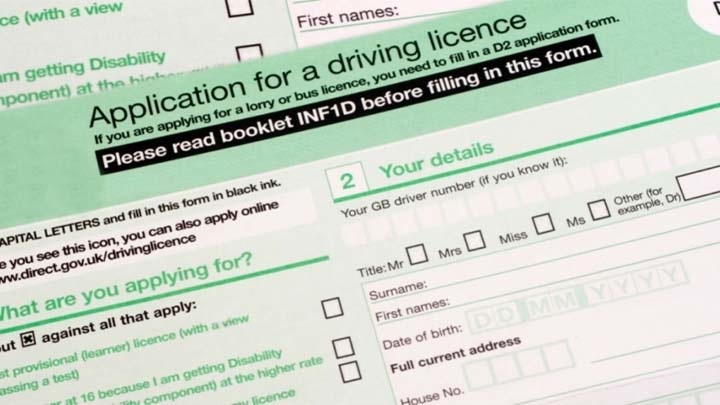
If your UK driving licence has expired or is about to expire, you may be wondering what happens next and whether you are still legally allowed to drive. Thousands of motorists each year discover that their licence has expired without realising it, particularly because photocard licences require renewal every ten years. Fortunately, renewing your licence is usually a straightforward process when you understand the requirements.
In this guide, we explain what happens when your UK driving licence expires, how to renew it, the consequences of driving with an expired licence, and how to keep your driving records up to date.
Why Do UK Driving Licences Expire?
Many drivers assume that once they receive a full driving licence, it remains valid for life. While your entitlement to drive certain vehicle categories may remain valid, the photocard itself has an expiry date.
The ten-year renewal requirement helps ensure that the photograph on your licence accurately reflects your appearance and that your personal information remains current. This contributes to road safety and assists authorities in confirming a driver’s identity.
You can find the expiry date on the front of your photocard driving licence. Checking this date regularly helps you avoid unexpected complications.
Can You Drive With an Expired Driving Licence?
Whether you can legally continue driving depends on the circumstances surrounding your expired licence.
If only your photocard has expired, your legal driving entitlement may still exist, but failing to renew your licence can result in penalties. Driving without renewing an expired photocard may lead to enforcement action and could also create issues when hiring vehicles or dealing with insurance providers.
If your driving entitlement itself has expired or has been revoked, you must not continue driving until you have regained legal entitlement.
For this reason, it is always advisable to renew your licence before its expiry date rather than waiting until after it expires.
How to Check Whether Your Driving Licence Has Expired
Many drivers only discover their licence has expired when applying for vehicle insurance, hiring a car, or updating their details.
The quickest way to check is by examining the expiry date printed on your photocard. Drivers should also regularly review their licence details to ensure their name, address, and photograph remain accurate.
Keeping your licence information current helps avoid delays when applying for replacement documents or accessing other DVLA services.
What Happens If You Continue Driving After Your Licence Expires?
Driving after your licence expires can create several avoidable problems.
Law enforcement officers may identify that your licence has not been renewed during routine checks. Depending on your circumstances, you could face financial penalties or be required to renew your licence before continuing to drive.
Insurance providers may also ask questions if your licence information is no longer current. Although each insurer has different policy terms, maintaining a valid licence helps prevent unnecessary complications if you need to make a claim.
Vehicle hire companies also commonly require customers to present a valid driving licence before collecting a rental vehicle.
How to Renew an Expired UK Driving Licence
Renewing your driving licence is generally straightforward when your personal details remain unchanged.
Before beginning the renewal process, make sure your address is current and that you have a recent photograph if required.
Once your renewal has been submitted and approved, your new photocard will display an updated expiry date while preserving your driving entitlements where applicable.
Drivers should always allow sufficient time before travelling or hiring vehicles to ensure their replacement licence has been issued.
What Documents May Be Required?
The documents required during renewal vary depending on your circumstances.
If your personal details have changed since your last licence was issued, you may need supporting documentation to verify those changes. Drivers replacing a lost or damaged licence may also need to provide additional identification before a replacement can be issued.
Providing accurate information during your application helps minimise processing delays.
Common Reasons Driving Licence Renewals Are Delayed
Most licence renewals are processed efficiently, but delays can occur for several reasons.
Applications containing incomplete information often require additional checks before processing can continue. Outdated addresses, unclear photographs, or missing supporting documents may also extend processing times.
Submitting accurate information the first time is one of the simplest ways to avoid unnecessary delays.
What Happens If Your Address Has Changed?
UK drivers are legally responsible for ensuring the address recorded on their driving licence remains accurate.
Moving home without updating your licence can result in correspondence being sent to the wrong address, increasing the likelihood of missed renewal reminders.
Updating your address promptly helps ensure your driving records remain accurate and reduces administrative complications in the future.
Renewing Your Licence After the Age of 70
Drivers aged 70 or over have different renewal requirements.
Rather than renewing every ten years in the same way as younger drivers, motorists over 70 must renew their entitlement at regular intervals to confirm they continue to meet the legal standards required for driving.
Many older drivers continue driving safely for many years, provided they satisfy the relevant medical and legal requirements.
What If Your Licence Has Been Lost or Damaged?
If your licence has expired and has also been lost, stolen, or damaged, you should arrange for a replacement as soon as possible.
Replacing your licence promptly helps ensure you have access to valid identification whenever required and prevents unnecessary delays when proving your driving entitlement.
Keeping a clear photocopy or secure digital record of your licence details can also make replacement easier should the original be lost.
Tips to Avoid Your Licence Expiring Again
Many drivers forget about their licence until they receive a reminder or encounter an issue.
Adding a reminder to your calendar several months before the expiry date is one of the easiest ways to stay ahead of the renewal process.
You should also review your licence whenever you move home, change your name, or experience any significant personal changes that may affect your driving records.
Taking a few minutes to review your licence each year can save considerable inconvenience later.
Frequently Asked Questions
How often does a UK photocard driving licence expire?
Most UK photocard driving licences require renewal every ten years, although different rules apply to drivers aged 70 and over.
Can I be fined for not renewing my driving licence?
Failing to renew your licence can lead to penalties depending on the circumstances. Renewing before the expiry date helps avoid unnecessary problems.
Does my driving entitlement expire when my photocard expires?
Not necessarily. In many cases, the photograph expires while the underlying driving entitlement remains valid. However, drivers should renew their licence promptly to remain compliant with legal requirements.
Can I renew my driving licence before it expires?
Yes. Many drivers choose to renew before the expiry date to avoid interruptions to their driving.
Will changing my address automatically renew my licence?
No. Updating your address and renewing an expired licence are separate processes, although both are important for keeping your driving record accurate.
Final Thoughts
An expired driving licence is often easy to resolve, but delaying renewal can create unnecessary inconvenience. Whether you are preparing to renew your photocard, replacing a lost licence, or updating your personal information, keeping your driving records accurate helps you remain compliant with UK driving regulations.
If you need guidance regarding your driving licence or require assistance understanding the renewal process, staying informed and acting early can save both time and unnecessary stress.