How to Check If You’re Banned from Driving in the UK
How to Check If You’re Banned from Driving in the UK: If you’ve been disqualified from driving, the worst thing you can do is guess when your ban ends. Getting behind the wheel even one day too early is a criminal offence and one that can lead to a further ban, a fine, or even prison. The good news is that checking your driving ban status in the UK is quick, free, and can be done entirely online in a few minutes. uk driving ban removal
This guide walks you through exactly how to check your disqualification status, what the DVLA’s official checking service shows, and what steps to take once your ban is over. How to Check If You’re Banned from Driving in the UK
Why You Might Need to Check Your Driving Ban Status
There are a few common reasons people need to confirm their ban details:
- You’ve lost track of the exact end date after a court disqualification
- You want to double-check before applying for a new licence
- An employer needs proof you’re legally allowed to drive for work
- You’re applying for car insurance and need accurate disqualification details
- You want to confirm penalty points have been removed after a “totting up” ban
Whatever the reason, DVLA holds the official record and it’s the only source that matters for legal and insurance purposes. how to remove a driving ban in the uk
How to Check If You’re Banned from Driving (Step by Step)
1. Use the DVLA “View Driving Licence” Service
The official way to check your own driving record is through GOV.UK’s driving licence checking service. You’ll need:
- Your driving licence number
- Your National Insurance number
- The postcode on your driving licence record
This free service shows your licence status, any current disqualification, penalty points, and the date your ban is due to end. lift driving ban uk
2. Check the D27 Reminder Letter
DVLA automatically sends a reminder letter (form D27) 56 days before most disqualifications end, confirming the exact date you’re eligible to drive again. If your ban relates to certain drink-driving offences, you may instead receive a D27PH letter roughly 90 days before the ban ends. If you’ve moved house recently, make sure DVLA has your current address so you don’t miss this. appeal uk driving ban
3. Contact DVLA Directly
If you can’t access the online service or haven’t received a letter, you can contact DVLA directly to confirm your disqualification end date. Have your licence number and personal details ready, as they’ll need to verify your identity before releasing any information. remove drink driving ban uk
4. Check Your Court Paperwork
The court that disqualified you will have issued paperwork stating the length and start date of your ban. If you no longer have this, the court itself can usually confirm the details on request. early removal of driving disqualification
Important: You cannot check someone else’s driving ban status without their consent — this information is protected under data protection law. Employers can only verify an employee’s status with that employee’s permission, usually via a licence-sharing check code the driver generates themselves.
What Happens When Your Ban Ends
What you need to do next depends on how long you were banned for:
- Bans under 56 days: Your existing licence remains valid you don’t need to apply for a new one, and you can drive again as soon as the ban period ends.
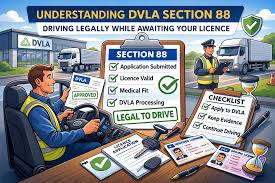
- Bans of 56 days or more: You must apply for a new driving licence before you’re legally allowed to drive again. DVLA won’t reissue this automatically. penalty points
- Totting-up bans (12+ penalty points): Once the ban ends, all points that led to the disqualification are wiped from your licence, giving you a clean slate.
- Disqualified until retest: If the court ordered a retest, you’ll need a provisional licence and must pass your theory and practical test (sometimes an extended test) before regaining a full licence. penalty points
How Long Can a Driving Ban Last?
Ban lengths vary depending on the offence and your history:
| Situation | Typical Ban Length |
|---|---|
| First totting-up ban (12+ points in 3 years) | 6 months |
| Second disqualification within 3 years | 12 months |
| Third disqualification within 3 years | 2 years |
| Serious offences (e.g. dangerous driving, drink-driving) | Set by the court, often longer |
For longer bans, you may be able to apply to the court for early reinstatement once you’ve served at least half the ban or two years whichever is longer though this only applies to disqualifications of two years or more. full licence
FAQs: Checking a UK Driving Ban
Can I check someone else’s driving ban status? No. Driving records are private. You can only check your own status, or share a check code you’ve generated yourself with a third party such as an employer or insurer.
Does a driving ban show up automatically when it ends? No DVLA doesn’t automatically update your ability to drive if your ban was 56 days or longer. You must apply for a new licence first.
What happens if I drive before my ban officially ends? Driving while disqualified is a serious offence. It can result in a further ban, a fine, or imprisonment, and will make future insurance significantly more expensive.
Do penalty points disappear after a ban? Only if the ban was imposed under the totting-up system. Points connected to that disqualification are removed once the ban ends. Instant bans (not linked to totting up) don’t affect other points on your licence.
Can I drive abroad while banned in the UK? No. A UK driving ban prevents you from driving in Northern Ireland and the Isle of Man on a Great Britain licence, and most other countries won’t recognise your UK entitlement to drive during the ban either.
Getting Your Licence Back After a Ban
Once your disqualification period has ended and you’ve confirmed your status, the next step is applying for your new licence (if required) and this is where delays most often happen. Missing paperwork, incorrect forms, or DVLA processing backlogs can push this out by weeks.
If you’d rather not deal with the DVLA queue yourself, [Fast Track UK License] can help you get your application right the first time and monitor it through to approval, so you’re back on the road as soon as legally possible. UK driving ban