Introduction
Applying for a UK provisional driving licence is the first official step towards becoming a qualified driver in Great Britain. Whether you’re a teenager preparing to learn to drive for the first time, an adult who has decided to gain more independence, or someone who needs a driving licence for work opportunities, obtaining a provisional licence is where your journey begins.
For many people, the application process seems straightforward until they discover there are specific eligibility requirements, identity checks and documentation that must be completed correctly. Small mistakes, such as entering incorrect personal information or submitting incomplete documents, can delay your application and postpone the start of your driving lessons.
A provisional driving licence is much more than a learner’s permit. It is an official document issued by the Driver and Vehicle Licensing Agency (DVLA) that allows you to learn to drive legally under certain conditions. It also enables you to book your theory test and, eventually, your practical driving test. Without a valid provisional licence, you cannot begin your journey towards obtaining a full UK driving licence.
Understanding the process before you apply can save time, reduce stress and help you avoid common mistakes that many first-time applicants make. By preparing the correct documents, checking your eligibility and following the official application process carefully, you can begin learning to drive with confidence.
In this comprehensive guide, you’ll learn everything you need to know about applying for a UK provisional driving licence. We’ll explain the eligibility criteria, required documents, step-by-step application process, common reasons for delays, expected costs, practical advice for learner drivers and answers to the questions applicants ask most frequently.
What Is a UK Provisional Driving Licence?
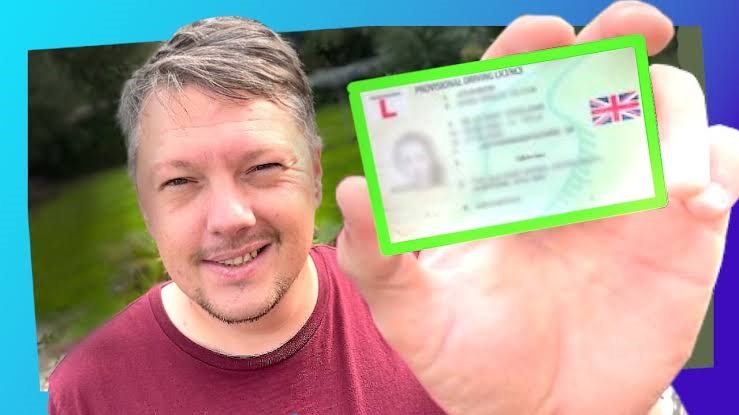
A UK provisional driving licence is an official licence issued by the DVLA that allows eligible individuals to learn to drive on public roads before qualifying for a full driving licence. It provides legal permission to practise driving while complying with the conditions placed upon learner drivers.
Holding a provisional licence does not mean you are free to drive independently. Instead, it allows you to gain practical experience while supervised by an approved driving instructor or a qualified driver who meets the legal requirements for supervising learner drivers. These rules exist to ensure that learners develop safe driving habits under proper guidance before driving on their own.
Your provisional licence also acts as proof that your identity has been verified and that you meet the basic requirements to begin learning. It is an essential document throughout your driving journey because you will need it when booking your theory test, attending your practical driving test and, ultimately, applying for your full driving licence after successfully passing all required assessments.
Many people think a provisional licence is simply a formality, but it represents the foundation of the UK’s graduated licensing system. Every qualified driver has started with this first step, making it one of the most important documents you will obtain during your driving journey.
Why Is a Provisional Driving Licence Important?
A provisional driving licence is not only a legal requirement but also the gateway to every other stage of becoming a licensed driver. Without it, you cannot legally take driving lessons on public roads, book the official theory test or sit the practical driving examination.
For many people, having a provisional licence also creates new opportunities. Employers in certain industries value candidates who are already progressing towards obtaining a full driving licence, particularly where future driving responsibilities may be involved. Even if driving is not immediately required for your current job, beginning the licensing process demonstrates planning and commitment to personal development.
Having your provisional licence also gives you flexibility when arranging driving lessons. Instead of waiting until you have completed other preparations, you can begin building practical experience immediately after receiving your licence. This allows you to develop confidence gradually while preparing for the theory test at the same time.
Perhaps most importantly, obtaining your provisional licence marks the beginning of a lifelong skill. Safe driving provides greater independence, easier travel, improved employment prospects and the convenience of being able to travel when and where you choose. Starting the process correctly lays the foundation for becoming a responsible and confident driver.
Who Can Apply for a UK Provisional Driving Licence?
Before beginning your application, it is important to understand whether you meet the eligibility requirements set by the DVLA. Applying before you qualify or submitting incomplete information may result in delays or rejection.
In most cases, applicants must meet the minimum age requirement for the category of vehicle they intend to drive. For standard cars, individuals can generally apply for a provisional licence before they are legally permitted to begin driving on public roads, allowing sufficient time for the application to be processed.
Applicants must also be able to verify their identity and provide accurate personal information. The information supplied should match official records to avoid additional verification checks. Any inconsistencies relating to names, dates of birth or addresses can delay the application process.
Meeting the required eyesight standard is another essential condition. Drivers must be able to read a vehicle registration plate from the legally specified distance while wearing corrective lenses if necessary. Good eyesight is fundamental to safe driving and forms part of the legal requirements for obtaining a licence.
Applicants should also declare any relevant medical conditions that may affect their ability to drive safely. Providing accurate medical information helps ensure that driving licences are issued responsibly while maintaining road safety for everyone.
Understanding these eligibility requirements before submitting your application will make the process considerably smoother and reduce the likelihood of unnecessary delays.
Documents You Will Need Before Applying
One of the most common reasons provisional licence applications are delayed is incomplete or incorrect documentation. Preparing everything in advance helps ensure your application is processed as efficiently as possible.
You should first ensure that your identity documents are current and that the personal information they contain is accurate. Any differences between your application and your official records may require further checks before your licence can be issued.
You will also need to provide a suitable photograph if required. The photograph must meet the standards specified for official identification documents. Images that are blurred, poorly lit or fail to meet the required specifications may be rejected, resulting in additional processing time.
It is equally important to confirm that your current address is correct. Your provisional licence and any official correspondence relating to your application will normally be sent to the address you provide. Keeping your information up to date helps prevent important documents from being delayed or lost.
Before submitting your application, review every section carefully. Spending a few extra minutes checking your information can prevent mistakes that may otherwise take weeks to resolve.
Step-by-Step Guide to Applying for a UK Provisional Driving Licence
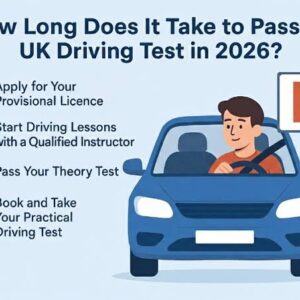
Applying for a UK provisional driving licence is generally a straightforward process when you understand each stage. Taking your time to complete the application carefully can help avoid delays and ensure that you are ready to begin learning to drive as soon as your licence arrives.
The first step is to confirm that you meet the eligibility requirements. Before starting your application, check that you satisfy the minimum age requirement, meet the required eyesight standard and are able to provide accurate identity information. Completing these checks beforehand reduces the likelihood of your application being delayed.
Once you are ready, complete your application using the official process. Enter your personal information exactly as it appears on your official documents, paying particular attention to your name, date of birth and current address. Even small spelling mistakes or incorrect details can result in additional verification checks.
After submitting your application, the DVLA will review the information you have provided. If everything is accurate and no further information is required, your provisional driving licence will be processed and sent to your registered address.
When your licence arrives, check all the details immediately. If you notice any errors, contact the appropriate authority as soon as possible so they can be corrected before you begin booking lessons or driving tests.
Receiving your provisional licence is an exciting milestone because it means you are legally able to begin learning to drive under the conditions that apply to learner drivers.
What Can You Do with a Provisional Driving Licence?
Many new learners assume that a provisional licence gives them the same driving rights as a full licence, but this is not the case. A provisional licence allows you to learn to drive legally, provided you follow the rules that apply to learner drivers.
You may take professional driving lessons with an approved driving instructor, giving you the opportunity to learn safe driving techniques from someone who understands the requirements of the practical driving test. Many learners also choose to practise with an eligible supervising driver outside of their professional lessons. This additional experience can help reinforce what has been learned and improve confidence behind the wheel.
Your provisional licence also allows you to book and take the UK theory test once you feel ready. Passing the theory test is an important achievement because it is a legal requirement before you can book your practical driving test.
As your driving skills improve, your instructor will advise when you are ready to attempt the practical examination. Successfully passing both tests will enable you to obtain your full UK driving licence and drive independently.
Understanding the UK Theory Test
The theory test is designed to assess your understanding of the rules of the road before you begin driving independently. Although many learners focus heavily on practical lessons, the theory examination is equally important because it provides the knowledge needed to make safe decisions while driving.
The test consists of two separate sections. The first contains multiple-choice questions covering topics such as road signs, speed limits, traffic laws, vehicle safety, motorway driving and the guidance contained in the Highway Code. The second section is the hazard perception test, where candidates identify developing hazards in a series of video clips.
Effective preparation is the key to success. Rather than attempting to memorise answers, focus on understanding why each rule exists. This approach not only improves your chances of passing the test but also helps you become a safer driver in the long term.
Studying the Highway Code regularly is one of the best ways to prepare. Combining this with realistic practice questions and hazard perception exercises allows you to become familiar with the format of the examination and build confidence before test day.
Many candidates find it helpful to create a study schedule that spreads revision over several weeks. Short, consistent study sessions are usually more effective than attempting to revise everything at the last minute.
Preparing for Your Practical Driving Test
After passing the theory test, your attention can shift towards preparing for the practical driving examination. This assessment evaluates whether you can drive safely, confidently and independently in real traffic conditions.
During your driving lessons, your instructor will gradually introduce more challenging situations, including busy town centres, roundabouts, dual carriageways and different weather conditions. This broad range of experience helps prepare you for the variety of roads you may encounter during the practical test.
The examiner will assess many aspects of your driving, including observation, mirror checks, speed control, positioning, awareness of other road users and your ability to make safe decisions. They are looking for evidence that you can drive responsibly rather than expecting perfection.
Remaining calm is one of the most valuable skills you can develop before the test. Almost every learner experiences some degree of nervousness, but allowing anxiety to affect your concentration can lead to avoidable mistakes. Treating the test as another driving lesson often helps reduce pressure.
Practising manoeuvres regularly is also important. Whether reversing into a parking space or carrying out another required exercise, confidence comes from repetition and familiarity with the vehicle.
Common Mistakes First-Time Applicants Make
Although applying for a provisional driving licence is relatively straightforward, certain mistakes occur frequently and often result in unnecessary delays or additional expense.
One of the most common errors is submitting inaccurate personal information. Misspelt names, incorrect addresses or mismatched dates of birth can trigger identity verification checks that slow down the application process.
Another mistake is waiting too long before starting driving lessons. Some applicants receive their provisional licence but postpone learning for several months. Beginning lessons soon after your licence arrives helps maintain momentum and keeps your long-term goal in focus.
Many learners also underestimate the theory test. Assuming that practical driving experience alone will be enough often leads to disappointing results. Consistent revision and regular practice are essential for passing the examination with confidence.
Booking the practical test too early is another common problem. While enthusiasm is understandable, attempting the examination before reaching the required standard often results in failure, additional fees and longer waiting times. Listening to your instructor’s advice about when you are ready usually leads to better outcomes.
Finally, failing to practise in different driving environments can leave learners underprepared. Experience in urban traffic, rural roads, night-time conditions and poor weather all contribute to becoming a confident and capable driver.
Why Provisional Licence Applications Are Sometimes Delayed
Waiting for your provisional licence can be frustrating, especially if you are eager to begin driving lessons. Fortunately, many delays are preventable when applicants understand the most common causes.
Incorrect or incomplete application details remain one of the leading reasons applications take longer to process. Carefully checking every section before submission significantly reduces the risk of avoidable delays.
Identity verification may also take longer if the information supplied does not match official records. Keeping your personal details consistent across all documents helps speed up this process.
Applications may take longer during periods of particularly high demand. Seasonal increases in applications or exceptional circumstances can affect processing times, so it is always sensible to apply well before you plan to begin driving lessons.
If the DVLA contacts you requesting additional information, responding promptly will help prevent unnecessary waiting. Delayed responses often result in applications remaining on hold until the required documents are received.
Medical enquiries may also extend the processing period where additional assessments are required. Although these checks can take time, they help ensure that licences are issued safely and responsibly.
Costs and Fees Associated with a UK Provisional Driving Licence
Applying for a UK provisional driving licence involves several costs throughout your journey towards becoming a fully qualified driver. Although the provisional licence itself is only the first expense, understanding the overall financial commitment allows you to plan your budget more effectively.
The first cost is the provisional driving licence application fee. Once your licence has been issued, you should also budget for professional driving lessons. The number of lessons required varies from person to person. Some learners develop confidence quickly, while others benefit from additional tuition before they are ready to take the practical driving test.
You should also allow for the theory test fee and the practical driving test fee. If you need to retake either examination, additional charges will apply. This is one of the reasons why thorough preparation before booking your tests is often the most cost-effective approach.
Beyond the tests themselves, you may also need to budget for learning materials, such as the Highway Code, theory test practice resources and hazard perception training. These resources can significantly improve your understanding of the rules of the road and increase your chances of passing both examinations at the first attempt.
Once you have obtained your full licence, you will also need to consider the ongoing costs of driving, including vehicle insurance, road tax where applicable, fuel, servicing and general vehicle maintenance. Understanding these future responsibilities helps new drivers prepare for life after passing their test.
Rather than focusing solely on the cost of obtaining a licence, it is helpful to view the process as an investment in a lifelong skill that offers greater independence, wider employment opportunities and increased convenience.
Tips to Help You Pass First Time
Every learner hopes to pass their theory and practical tests at the first attempt. While no one can guarantee success, there are several proven strategies that can improve your chances.
Start your driving lessons as soon as possible after receiving your provisional licence. Regular practice helps build confidence gradually and allows you to become familiar with different road layouts, traffic conditions and weather situations.
Study the Highway Code consistently rather than leaving revision until the final few days before your theory test. Understanding the reasons behind the rules is far more effective than simply memorising answers.
Take advantage of official practice questions and hazard perception exercises. These resources help you become comfortable with the format of the examination and highlight areas where additional study may be required.
Listen carefully to your driving instructor’s feedback. They work with learner drivers every day and understand the standards expected during the practical test. Addressing weaknesses early makes it easier to improve before your examination.
Practise driving in a wide variety of environments. Experience on residential roads, busy town centres, rural routes, dual carriageways and different weather conditions will help prepare you for whatever situations arise during your test.
On the day of your examination, arrive early, remain calm and remember that the examiner is assessing your ability to drive safely rather than expecting perfection. Maintaining concentration and continuing to drive confidently after a minor mistake often leads to a successful result.
What Happens After You Receive Your Full Driving Licence?
Passing your practical driving test is a significant achievement, but it is only the beginning of your experience as an independent driver. Once you have passed, your provisional licence will normally be updated, and your full UK driving licence will be issued by the DVLA.
Receiving your full licence gives you the legal authority to drive independently within the categories for which you are qualified. However, newly qualified drivers should remember that experience continues to develop over time. Every journey provides new opportunities to improve observation, decision-making and overall driving confidence.
Many new drivers choose to continue improving their skills by taking additional advanced driving courses. These programmes focus on topics such as motorway driving, defensive driving techniques, fuel-efficient driving and driving safely in adverse weather conditions. They can help build confidence and may even contribute to lower insurance premiums with some insurers.
Responsible vehicle ownership is equally important. Carrying out regular maintenance, checking tyre pressures, monitoring fluid levels and ensuring your vehicle remains roadworthy all contribute to safer driving.
Finally, always keep your personal details up to date with the relevant authorities. If you change your address or other important information, updating your driving licence promptly helps avoid administrative issues in the future.
Frequently Asked Questions
1. What is a UK provisional driving licence?
A UK provisional driving licence is an official document that allows eligible individuals to learn to drive legally under the supervision of a qualified driver or approved driving instructor before obtaining a full driving licence.
2. At what age can I apply for a provisional driving licence?
The minimum age depends on the type of vehicle you intend to drive. For most people learning to drive a car, applications can generally be made shortly before they become eligible to drive on public roads.
3. Can I drive immediately after receiving my provisional licence?
You may begin learning to drive once your provisional licence has been issued, provided you comply with the legal conditions that apply to learner drivers, including appropriate supervision and insurance.
4. How long does it take to receive a provisional driving licence?
Processing times vary depending on individual circumstances and application volumes. Applications that contain accurate information and all required documentation are generally processed more efficiently than those requiring additional checks.
5. Do I need a provisional licence before booking driving lessons?
Yes. A valid provisional driving licence is required before you can legally drive on public roads during professional driving lessons or supervised practice.
6. Can I book my theory test with a provisional licence?
Yes. Holding a valid provisional driving licence allows you to book and take the UK theory test when you feel sufficiently prepared.
7. What happens if my application is delayed?
If your application requires additional information or identity verification, you should respond promptly to any requests. Keeping your details accurate and complete helps reduce the likelihood of delays.
8. How many driving lessons will I need?
Every learner is different. The number of lessons required depends on previous experience, confidence, learning pace and the standard required to pass the practical driving test safely.
9. Can I practise driving with a family member?
Yes, provided the supervising driver meets the legal requirements and the vehicle is properly insured for learner driving.
10. What should I do after passing my practical driving test?
After passing your test, your full driving licence will normally be processed by the DVLA. You can then begin driving independently while continuing to develop your experience and safe driving skills.
Conclusion
Applying for a UK provisional driving licence is the first and most important step towards becoming a fully qualified driver. Although the process may appear complicated at first, understanding the eligibility requirements, preparing the correct documents and following the official application procedure carefully can make your journey much smoother.
Taking time to prepare properly not only increases the likelihood of your application being processed without delays but also lays the foundation for success throughout your driving journey. Regular driving lessons, consistent theory revision and guidance from experienced instructors will help you develop the knowledge and confidence needed to pass both the theory and practical driving tests.
Remember that obtaining a driving licence is about much more than passing examinations. It is about becoming a safe, responsible and confident driver who can share the roads responsibly with others. The skills you develop while learning will stay with you for the rest of your driving life.
Contact Fast Track UK License Today
If you’re ready to begin your driving journey or need guidance about the UK provisional driving licence process, Fast Track UK License is here to help. Our experienced team can provide clear information about licence applications, learner requirements and the steps involved in obtaining your UK driving licence.
Contact Fast Track UK License today and take the first step towards becoming a confident, fully licensed driver.