Many UK drivers look at the back of their driving licence and notice a series of numbers printed next to their vehicle categories. These numbers are known as driving licence codes, and they often cause confusion because most motorists are never told what they mean. While they may appear to be random numbers, each code has a specific legal meaning and can affect the types of vehicles you are allowed to drive or the conditions under which you may drive.
Understanding these codes is important because they form part of your driving entitlement. Some codes indicate that you must wear glasses while driving, while others relate to vehicle adaptations, restrictions, or conditions placed on your licence by the Driver and Vehicle Licensing Agency (DVLA).
Whether you are a new driver, renewing your licence or simply checking your driving entitlements, learning what these codes mean can help you stay compliant with UK driving laws and avoid unnecessary penalties.
What Are UK Driving Licence Codes?
Driving licence codes are official numbers printed on UK photocard driving licences to indicate conditions or restrictions attached to your licence. They are standardised across the United Kingdom and many European countries, making it easier for authorities to understand a driver’s entitlements.
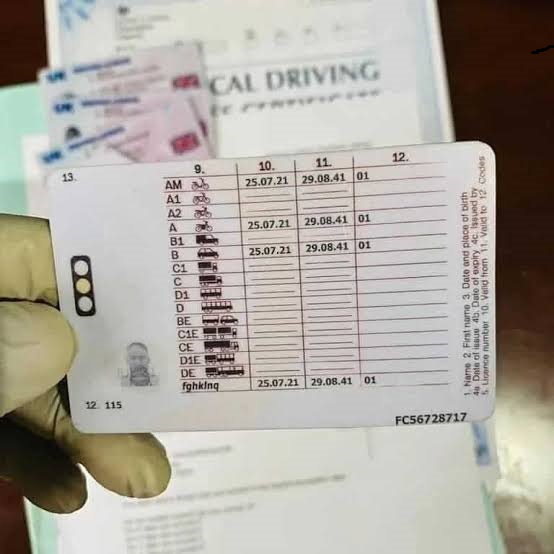
These codes appear in Column 12 on the back of your photocard licence, alongside the vehicle categories you are entitled to drive. Not every driver will have licence codes, but if they do appear, they form part of the legal conditions of your licence.
Ignoring a licence code could result in committing a driving offence if you fail to comply with the restriction attached to it.
Why Are Driving Licence Codes Used?
The DVLA uses driving licence codes to communicate important information about a driver’s legal entitlement. Rather than printing lengthy explanations on every licence, the codes provide a simple and internationally recognised way of indicating specific conditions.
Some codes relate to medical requirements, while others refer to vehicle adaptations or limitations on the type of transmission a driver may use. Certain codes may also indicate that additional conditions apply because of a disability or previous driving assessment.
These codes help ensure that drivers operate vehicles safely while allowing police officers, employers and licensing authorities to verify driving entitlements quickly.
Where Can You Find the Codes?
If you turn your photocard driving licence over, you will see a table showing the categories of vehicles you are authorised to drive. On the far right-hand side of this table is Column 12, where any applicable driving licence codes will appear.
Each code corresponds to a legal condition. Some drivers may have only one code, while others may have several depending on their circumstances.
If Column 12 is blank, it generally means there are no additional conditions attached to your driving entitlement beyond the normal category rules.
The Most Common UK Driving Licence Codes
One of the most frequently seen codes on a UK driving licence is Code 01, which means the driver must wear corrective lenses while driving. This includes prescription glasses or contact lenses if they are required to meet the legal eyesight standard.
Drivers with Code 01 must always ensure they have the necessary corrective lenses whenever they drive. Failing to do so could result in prosecution if they are found driving without meeting the required vision standards.
Another common restriction relates to automatic transmission vehicles. Drivers who passed their practical driving test in an automatic car are generally entitled to drive automatic vehicles only. This restriction is reflected in the driving categories shown on the licence rather than through a separate code, but many motorists mistakenly believe it is represented by a licence code.
Some drivers may also have codes indicating that they must use specially adapted vehicles because of a medical condition or disability. These adaptations are intended to ensure that the driver can operate the vehicle safely while complying with DVLA requirements.
Code 01 – Corrective Lenses
Code 01 is one of the most common driving licence codes issued in the UK. It applies to drivers who require glasses or contact lenses to meet the minimum legal eyesight standard.
Good vision is essential for safe driving. If your licence includes Code 01, you should ensure that your corrective lenses are suitable for driving and that your eyesight is checked regularly.
If your eyesight improves or changes significantly, you should seek professional advice to determine whether the restriction still applies. In some cases, updated medical evidence may be required before any change can be made to your driving record.
Medical-Related Licence Codes
Some driving licence codes are linked to medical conditions or physical disabilities. These codes may indicate that certain vehicle modifications are required or that specific controls must be fitted before the vehicle can be driven safely.
For example, some drivers may require hand-operated controls instead of conventional pedals, while others may need steering adaptations or specialised braking systems.
The DVLA assesses each case individually, often using medical reports and driving assessments before deciding which codes should appear on the licence.
These restrictions are designed to promote road safety while allowing individuals with disabilities to continue driving wherever possible.
Why Licence Codes Matter
Many drivers assume that the numbers printed on their licence are simply administrative references. In reality, they are legally enforceable conditions that form part of your driving entitlement.
Driving in breach of a licence code may lead to prosecution, penalty points, fines or complications with your insurance. In serious cases, failing to comply with licence restrictions could affect liability following a road traffic collision.
Understanding the codes printed on your licence helps ensure that you remain compliant with UK driving laws while protecting yourself and other road users.